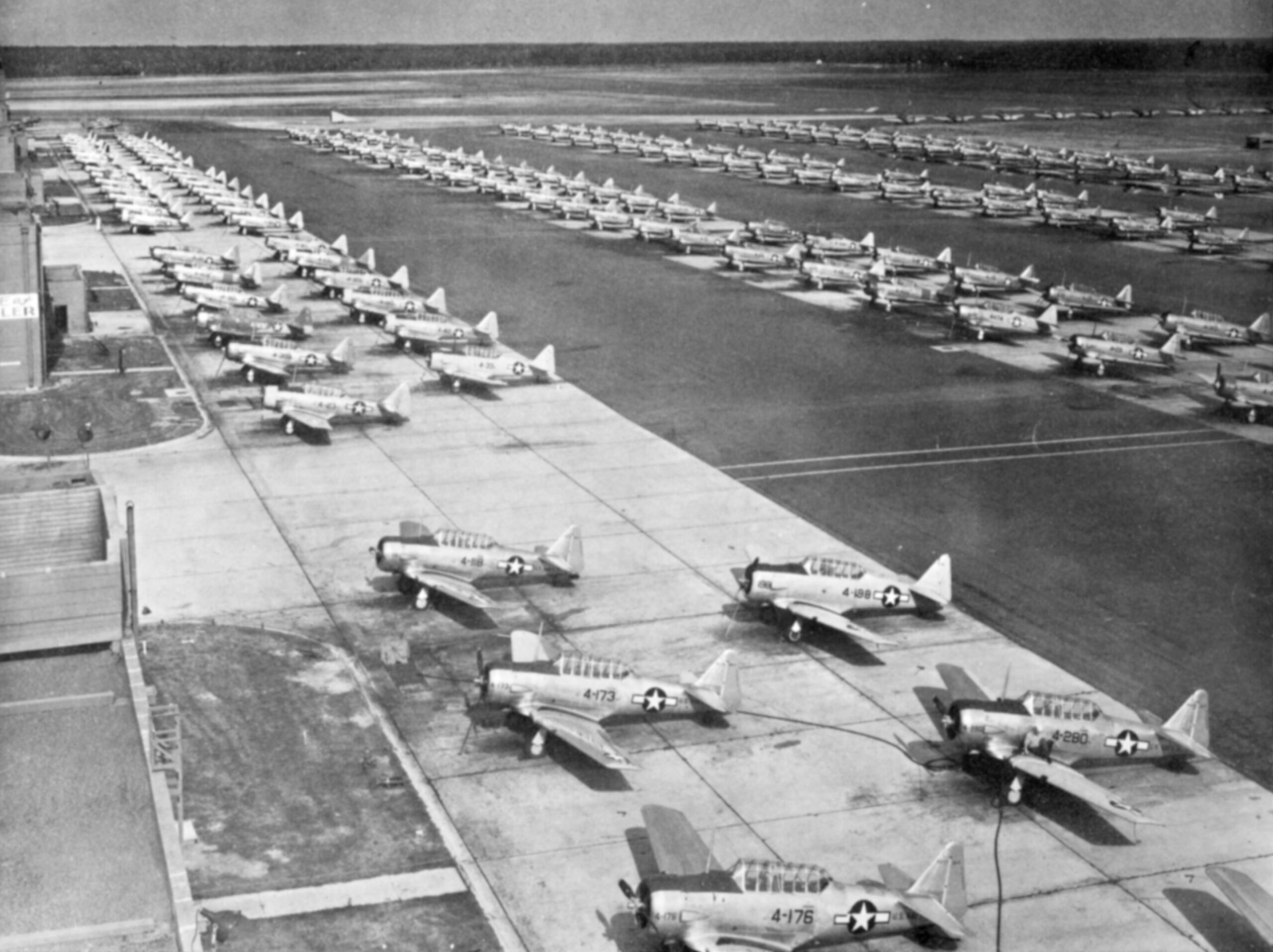
On October 13, 2026, the United States Navy marks its 251st birthday, commemorating a legacy of global sea power and defense established on October 13, 1775. Over two and a half centuries, the Navy’s operational readiness and success have relied heavily on onshore training facilities and supportive local communities across the nation.
Foley, Alabama’s Naval Aviation Legacy: Barin Field For over eight decades, Foley, Alabama, has played a pivotal role in U.S. Naval Aviation training.













- Commissioning Barin Field (1942): On December 5, 1942, less than a year after the attack on Pearl Harbor, the U.S. Navy opened Naval Auxiliary Air Station (NAAS) Barin Field in Foley. Serving as a key auxiliary site for Naval Air Station Pensacola, the field quickly grew into a central flight training hub.
- Pilot Training Cadre: In its first 24 months of operation, 5,795 aviation cadets entered training at Barin Field, logging more flight hours than any other Navy training center at the time.
- Community Home Front Mobilization: In the 1940 census, Foley was a small agricultural town of 846 residents. To support the influx of nearly 2,000 permanent military personnel and thousands of flight students, residents opened their homes, converted vacant spaces, and supported emergency housing builds. Foley also housed Camp Foley, a POW facility where approximately 250 prisoners worked on local agricultural farms to support the wartime food supply.
- Sacrifices of “Bloody Barin”: The rapid pace of flight instruction carried serious risks. During WWII, 40 young aviators lost their lives in training accidents at the facility, earning the base the solemn historic nickname “Bloody Barin”.
From the Korean Conflict to Modern Operations
- Reactivation for Service: After closing in 1947, Barin Field was reactivated during the Korean Conflict from 1953 through 1958 to prepare another generation of Navy pilots.
- Active NOLF Operations: Today, the site continues active military service as Naval Outlying Landing Field (NOLF) Barin. Featuring expanded 5,000-foot runways, NOLF Barin actively serves student aviators from NAS Pensacola and NAS Whiting Field.
Commemorating the Heritage
- American World War II Heritage City: In recognition of its home front contributions and ongoing military preservation, the National Park Service designated Foley as Alabama’s sole American World War II Heritage City—one of only 38 designated communities nationwide.
- Preserving Aviation History: The city preserves its naval legacy through exhibits at the Foley Railroad Museum featuring historic artifacts, a 1941 N3N biplane trainer, and a T-34B aircraft, with ongoing development for a standalone naval aviation museum.
About The Author