The City of Foley has officially earned top-tier national building code classifications, reinforcing its position as a leader in storm resilience along the Gulf Coast. According to the latest Building Code Effectiveness Grading Schedule (BCEGS) evaluation, Foley achieved a Class 2 rating for commercial construction—the second-highest grade on a national scale—and improved its residential construction rating to Class 3. Both categories were previously rated Class 4.
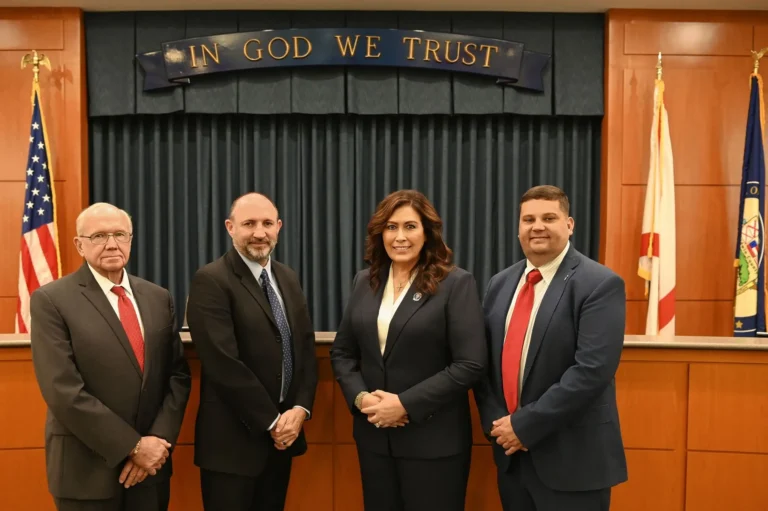
The BCEGS program evaluates communities on the building codes they adopt and how effectively they enforce them, using a scale from Class 1 (highest) to Class 10. Evaluators review permitting, plan reviews, inspections, staff certifications, and department budgets. Foley’s new ratings place the city far ahead of regional benchmarks; Chief Building Official Jonathan Cottis noted that Alabama cities average Class 7 for commercial construction and Class 8 for residential construction. Mayor Ralph Hellmich stated he knew of no community in Alabama with a rating better than Class 2, praising the city staff’s professionalism and dedication.













Beyond validating the city’s enforcement standards, the updated classifications offer direct financial benefits. Councilman Charles Ebert III explained that BCEGS ratings are key metrics used by insurers when establishing property insurance premiums, which can help property owners save on insurance for eligible new construction while providing prospective residents and businesses a benchmark of community disaster resilience.
Along the Gulf Coast, robust building code adoption and rigorous enforcement serve as the primary line of defense against severe tropical weather. Tropical systems regularly expose area structures to extreme wind gusts, driving rain, and potential flooding.
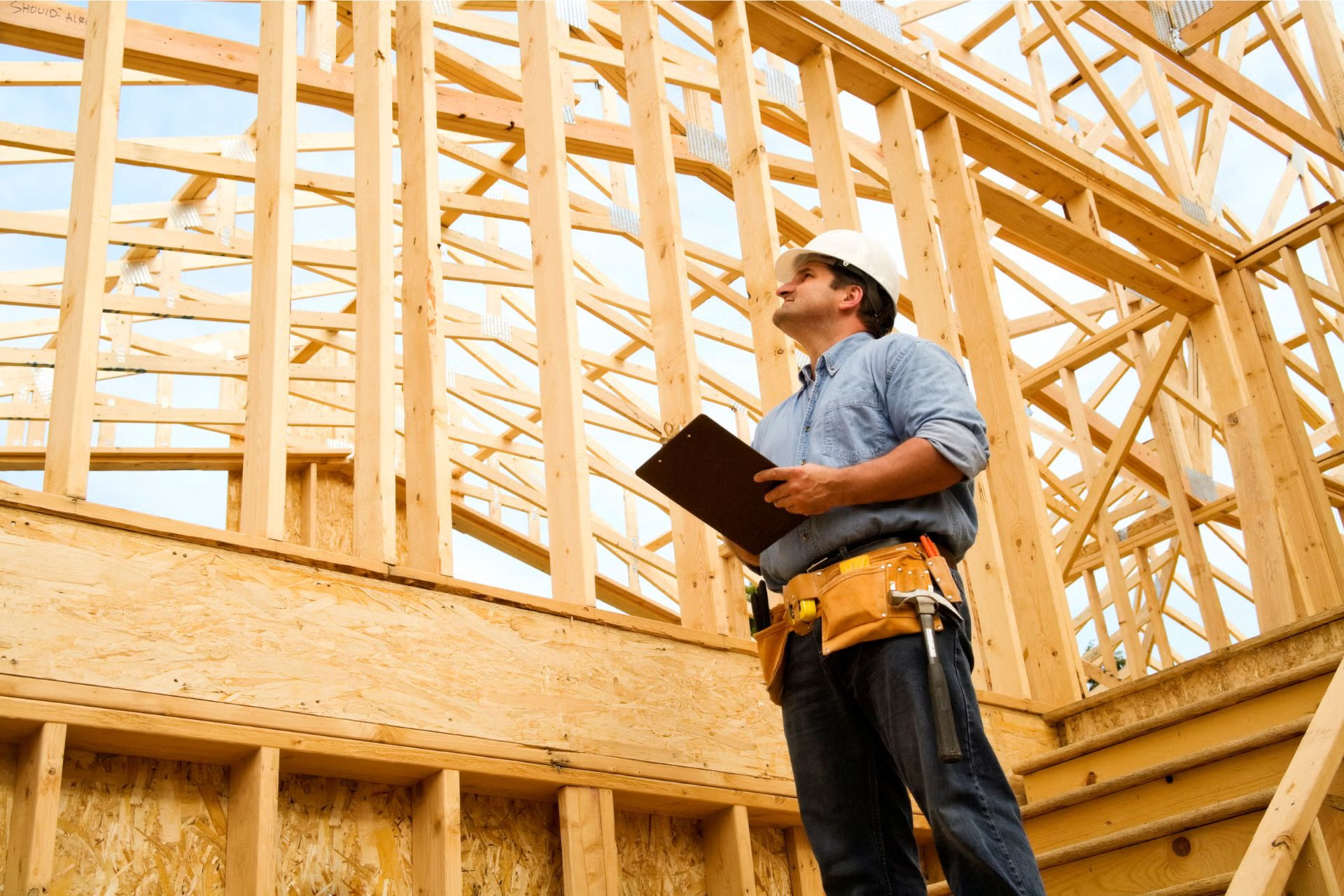
The vital importance of stringent building codes was recently highlighted during Hurricane Isaias, which impacted the region with winds reaching 105 mph and widespread severe weather threats. Thanks to strong coastal building requirements—including secondary water barriers under roofs, wind-resistant framing, and the widespread adoption of FORTIFIED construction standards—Foley avoided major structural destruction during the storm. Enforcement of current building codes helps prevent roof blow-offs and water intrusion, protecting sheetrock and preventing mold proliferation so residents can remain safely in their homes after a storm passes.
Mayor Hellmich highlighted that Foley continues to rank among the nation’s leaders in the number of FORTIFIED homes. As tropical storms and hurricanes remain an ongoing reality for coastal communities, Foley’s top-tier ratings demonstrate how strict building codes directly safeguard lives, protect property, and lower long-term recovery costs.

About The Author